|
While technology is a thread in
all our work, we have a specific focus on the design, use, implementation,
and impact of technology on the education and work lives of people around the
world, particularly those in under-represented communities. Our projects range
from international discussions via technology to field-based projects with
schools to the development and design of new learning technologies.
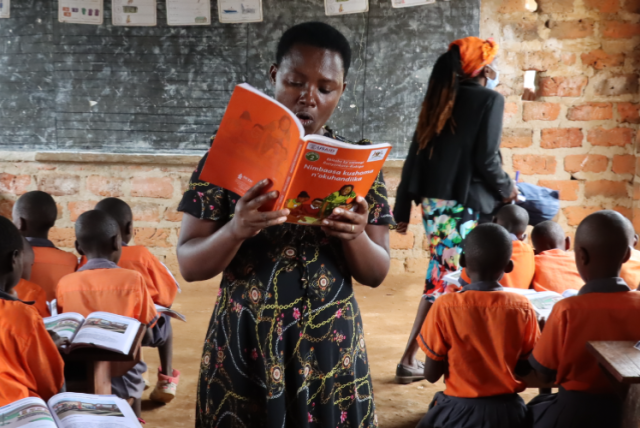
The Gender, Diversities & Technology Institute's
project work reflects our commitment to create equitable, responsive
educational environments that honor and build on the diverse backgrounds
of girls and boys, men and women. Believing that equity is a requirement
for educational excellence, our projects address quality of education
issues that affect outcomes, including teacher-student and student-student
interactions, curriculum, materials, school climate, and assessment
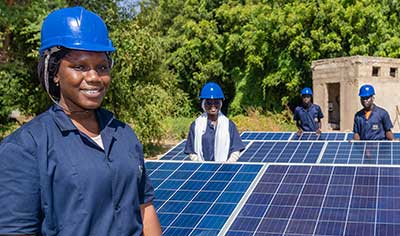
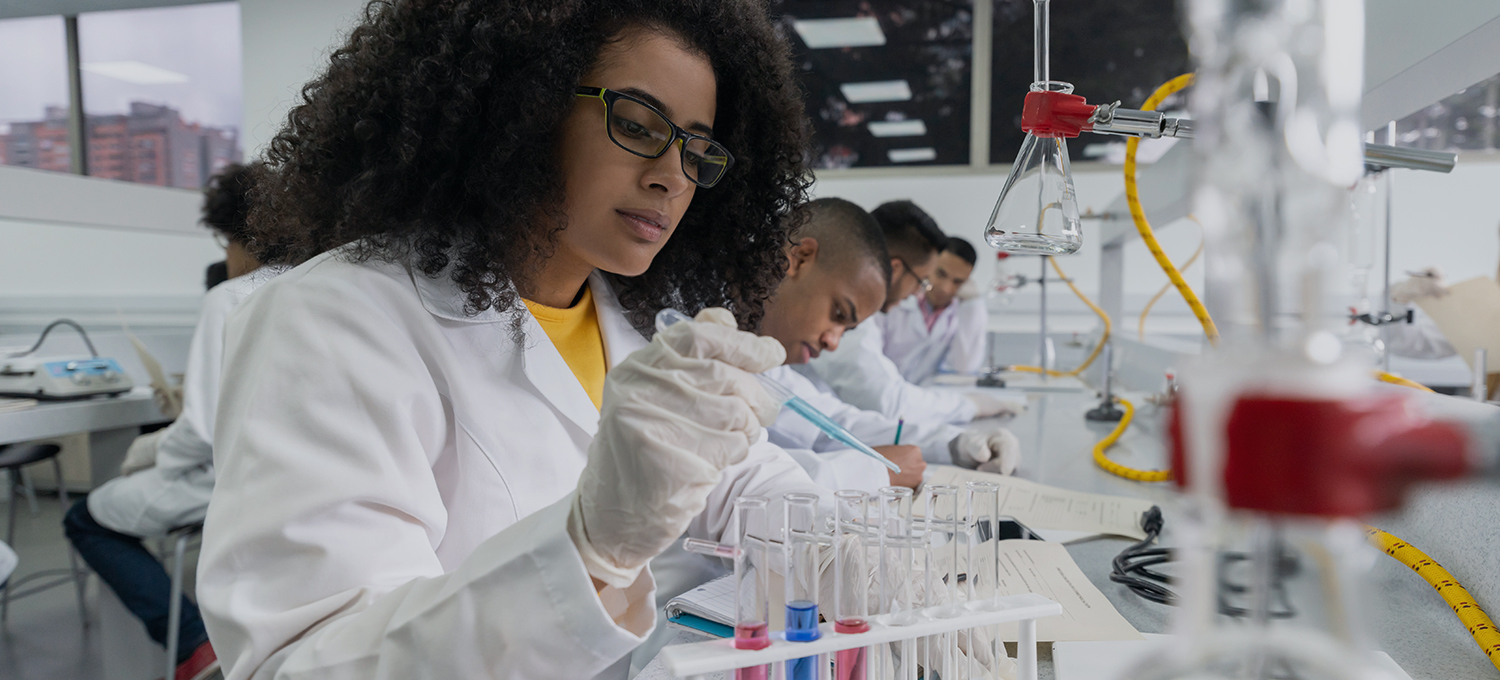
methods. Many aspects of our work in education focus on the fields
of math and science, areas in which it is vital that girls' and
women's participation and achievement be increased, both in educational
systems and in careers.
Top
Recognizing International Efforts
to Prevent Violence Against
Women
Our starting point for analyzing violence against
women and girls is the recognition that sexual harassment, "date
rape," battering, homophobic violence and violence against
transgender people, and street violence are linked and are based
on deeply ingrained gender-role stereotypes and expectations. Rather
than focusing on violence against women and girls as an isolated
act perpetrated by individual men, this analysis relates these actions
to a systemic tolerance of certain types of violence and the use
of violence to enforce societal expectations in terms of gender
roles and behaviors. This violence may play out as physical or sexual
violence, as well as psychological violence. Both females and males
can be victims, perpetrators, or witnesses. Projects within the
Institute use education as a basis for addressing socialization
to promote nonviolence, and working towards respectful and productive
interactions between women and men as well as among individuals
within each gender group. In addition, we recognize that violence
is an issue that many women and girls in our projects are facing
or have faced, and that this may shape their realities. Thus we
address gendered violence both as a specific focus and within the
context of our other projects.
Top
Changes in our national roles and economic relationships
within the world are coming with increasing rapidity. While globalization
has been criticized in terms of its effects on nonindustrialized
and less industrialized countries and its disproportionate burden
on women and their work, this phenomenon forms an important aspect
of today's reality, with effects felt in marginalized communities
within richer countries as well. This situation necessitates urgent
action to ensure that women and men are prepared to participate
in these changing economies-and have forums for voicing their experiences
and, importantly, for influencing policy. Our work explores these
issues of gender and economic self-sufficiency on the local level,
whether that is developing education and training programs for immigrant
women, research on employment outcomes, or other initiatives.
Top
|